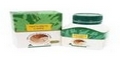
| > More informations about OPC GRAPE SEED |
|
| > More informations about
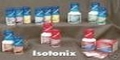
ISOTONIX OPC 3 |
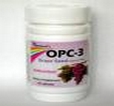
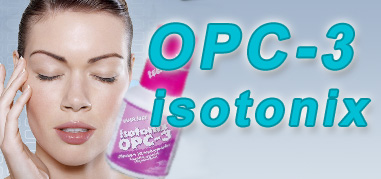
isotonix OPC-3 is a combination of plant-derived bioflavonoids, known as oligomeric proanthocyanidins, or OPC's. Made from a combination of grape seed, pine bark and red wine extracts (in addition to bilberry and citrus extracts), these OPC's are super-effective free radical neutralizers. Isotonix OPC-3 costs between $65.95 and $72.95 depending on the dealer, in most cases shipping is extra. Isotonix OPC-3 is a product marketed by Market America.isotonix OPC-3 - Value Size (90 Servings/Bottle) OPC-3 is a powerful combination of plant derived bioflavonoids, know as oligomeric proanthocyanidins (OPC's). It is made from a combination of grape seed, pine bark and red wine extracts in addition to bilberry and citrus extracts. These OPC's are super effective free radical neutralizers. They are not limited to being strong antioxidants, they are also crucial in their role in supporting the circulatory system and strengthening the capillaries. OPC-3 is a natural food supplement that should be taken for a lifetime.isotonix OPC-3 is a combination of plant-derived bioflavonoids, known as oligomeric proanthocyanidins, or OPC's. Made from a combination of grape seed, pine bark and red wine extracts (in addition to bilberry and citrus extracts), these OPC's are super-effective free radical neutralizers. Isotonix OPC-3 costs between $65.95 and $72.95 depending on the dealer, in most cases shipping is extra. Isotonix OPC-3 is a product marketed by Market America.isotonix OPC-3 - Value Size (90 Servings/Bottle) OPC-3 is a powerful combination of plant derived bioflavonoids, know as oligomeric proanthocyanidins (OPC's). It is made from a combination of grape seed, pine bark and red wine extracts in addition to bilberry and citrus extracts. These OPC's are super effective free radical neutralizers. They are not limited to being strong antioxidants, they are also crucial in their role in supporting the circulatory system and strengthening the capillaries. OPC-3 is a natural food supplement that should be taken for a lifetime.isotonix OPC-3 is a combination of plant-derived bioflavonoids, known as oligomeric proanthocyanidins, or OPC's. Made from a combination of grape seed, pine bark and red wine extracts (in addition to bilberry and citrus extracts), these OPC's are super-effective free radical neutralizers. Isotonix OPC-3 costs between $65.95 and $72.95 depending on the dealer, in most cases shipping is extra. Isotonix OPC-3 is a product marketed by Market America. |
|
Opc grape seed |
|
 |
|
|
Opc drivers |
|
 |
Engineer Live!Many devices have vendor specific functions and data that are not accessed by
OPC drivers. The ability to link zenOn directly with the hardware device, ...[PDF] Dynamic Link Library (DLLs) ActiveX, OPC Server, and DAQBench ...File Format: PDF/Adobe Acrobat - View as HTMLDriver. OPC. Server. OPC. LabVIEW. Linux. Windows NT/98/2000 ... Operating Systems,
ADLINK can provide driver OEM modification services. Overview ...Visualizing XML in Manufacturing Systems @ XML JOURNALSVG is a visualization layer on top of the OPC Driver layer in the enterprise
infrastructure. SVG offers significant advantages in this process - SVG ... |
|
|
OPC GRAPE SEED |
oPCsPYCNOGENOL/OPC Grape seed/Pinebark extract provides a weapon against premature
... Over 60 mg per tablet of pine bark (and) grape seed OPC increase bio ...nutriteam - Grapefruit Seed Extract GSE Herbal Vitamins Pure ...Grape Seed OPC's have the ability to strengthen blood vessel walls, scavenge free
radicals directly and by regenerating vitamins C and E, and contribute to ...vision For Life: Product Detail - Euro OPC Grapeseed ExtractVision For Life International - Financial Opportunities. pycnogenol (Pine Bark) and Grape Seed Extract... so the Vitamin C/OPC combination acts as an antioxident. ... Amounts recommended
are 75 mg/day for grape seed extract (or 50 mg/day for children) and ...potent OPC Antioxidants Naturally Protect Against Free Radicals ...Life Plus' "Real OPC™" is a pharmaceutical-grade, 100% bioavailable, residue free
grape seed and pine bark extract that is manufactured and supplied by ...gRAPE SEED EXTRACTNow, grape seed extract provides a high source of OPC's in absorbable form.
One of the benefits of obtaining OPC's through grape seed extract is its ... |
| > More informations about OPCXTRA |
|
| > More informations about
OPC ANTIOXIDANT |
oPC, as it's commonly called in scientific circles, is expert at treating vascular diseases because it actually increases the structural strength of weakened blood vessels. It also has other biological activity. OPC is one of the most potent antioxidants known -- fifty times as powerful as vitamin E, according to some tests. OPC's can help neutralize the underlying chemical cause (free radicals) that promotes most diseases.oPC's derived commercially from grape seeds and the bark of pine trees, is a mixture of antioxidant molecules, variously called proanthocyanidins, procyanidins, proanthocyanidolic oligomers (PCO) or Oligomeric Procyanthocyanidins (OPC).oPC, as it's commonly called in scientific circles, is expert at treating vascular diseases because it actually increases the structural strength of weakened blood vessels. It also has other biological activity. OPC is one of the most potent antioxidants known -- fifty times as powerful as vitamin E, according to some tests. OPC's can help neutralize the underlying chemical cause (free radicals) that promotes most diseases.oPC's derived commercially from grape seeds and the bark of pine trees, is a mixture of antioxidant molecules, variously called proanthocyanidins, procyanidins, proanthocyanidolic oligomers (PCO) or Oligomeric Procyanthocyanidins (OPC).oPC, as it's commonly called in scientific circles, is expert at treating vascular diseases because it actually increases the structural strength of weakened blood vessels. It also has other biological activity. OPC is one of the most potent antioxidants known -- fifty times as powerful as vitamin E, according to some tests. OPC's can help neutralize the underlying chemical cause (free radicals) that promotes most diseases. |
| > More informations about OPC GRAPE SEED |
|
|
Opc grape seed |
|
 |
|
| > More informations about
HISTORY OF OPC 3 |
some 400 years later, Professor Jacques Masquelier concluded that pine bark not only contained some vitamin C, but obviously was a good source of bioflavonoids, whose effects are similar to those of vitamin C. Further studies and research revealed that the pine bark contained an array of proanthocyanidins complexes. These compounds were also found in a variety of plants, including grape seeds, cranberries, peanut skin, lemon tree bark and citrus rinds. Masquelier termed the active ingredients of the pine bark "pycnogenols", which today are referred to in the scientific community as oligomeric proanthocyanidins, or OPCs.in 1534, French explorer Jacques Cartier was leading an expedition up the St. Lawrence River. Trapped by bad weather, Cartier and his crew were forced to survive on a ration of salted meat and biscuits. Cartier's crew began to suffer from severe deficiency of vitamin C and showed symptoms of scurvy. Many crewmembers died before the surviving members encountered a friendly Native American who saved most of their lives. He told them to make a tea from the bark and needles of the pine tree to cure their malady. They complied and, as a result, Cartier and many crewmembers survived.some 400 years later, Professor Jacques Masquelier concluded that pine bark not only contained some vitamin C, but obviously was a good source of bioflavonoids, whose effects are similar to those of vitamin C. Further studies and research revealed that the pine bark contained an array of proanthocyanidins complexes. These compounds were also found in a variety of plants, including grape seeds, cranberries, peanut skin, lemon tree bark and citrus rinds. Masquelier termed the active ingredients of the pine bark "pycnogenols", which today are referred to in the scientific community as oligomeric proanthocyanidins, or OPCs.in 1534, French explorer Jacques Cartier was leading an expedition up the St. Lawrence River. Trapped by bad weather, Cartier and his crew were forced to survive on a ration of salted meat and biscuits. Cartier's crew began to suffer from severe deficiency of vitamin C and showed symptoms of scurvy. Many crewmembers died before the surviving members encountered a friendly Native American who saved most of their lives. He told them to make a tea from the bark and needles of the pine tree to cure their malady. They complied and, as a result, Cartier and many crewmembers survived.some 400 years later, Professor Jacques Masquelier concluded that pine bark not only contained some vitamin C, but obviously was a good source of bioflavonoids, whose effects are similar to those of vitamin C. Further studies and research revealed that the pine bark contained an array of proanthocyanidins complexes. These compounds were also found in a variety of plants, including grape seeds, cranberries, peanut skin, lemon tree bark and citrus rinds. Masquelier termed the active ingredients of the pine bark "pycnogenols", which today are referred to in the scientific community as oligomeric proanthocyanidins, or OPCs. |
|